
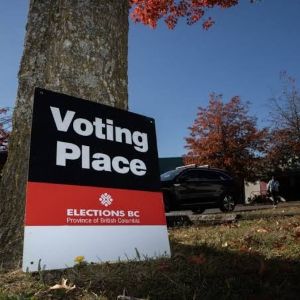
Innovative Research Group used sample NDP and Conservative ads from BC’s 2026 election campaign to illustrate the use of online ad testing.
Both the NDP and Conservative ads work to some degree, but the Conservatives’ ad is more effective at winning votes in BC’s 2026 election campaign.
This online survey of 1,153 BC adults was in field from October 15th to 19th, 2026. The final sample is weighted to a sample size of 1,000. A detailed methodology is available in the full report. For the other results from this survey, see here.
Online ad testing
Political parties, advocacy organizations, and brands all test advertisements during the creative development process to ensure they are effective. At INNOVATIVE, our approach to ad testing usually begins by testing high-level concepts in focus groups or in-depth interviews, to understand audience reaction, uncover what resonates and identify potential barriers or areas of confusion. Based on the findings from this qualitative phase, refined concepts, storyboards, or a rough cut will be tested in a representative online survey to provide a quantitative test of the advertisements impacts on key campaign outcomes.
This report provides an example of the second step, applied to campaign ads from the 2026 BC election. We tested one major TV advertisement from each of the two major parties.

Source: https://www.youtube.com/watch?v=YYXMNxVugFY

Source: https://www.youtube.com/watch?v=-KJXsai9UO4
Key Findings
The results of the ad testing showed that both parties’ approaches were effective and received positively by swing voters. However, only the BC Conservative ad was effective at shifting vote intention.
The NDP’s ad – focused on the threat from Trump and Eby’s efforts to protect BC – had a positive impact on Eby’s personal brand and a negative impact on Doerksen’s. Net favourable ratings for Eby increased by 8-points among accessible voters after watching the ad. However, it did not shift voters’ reported likelihood to vote for either party – with no statistically significant changes.
Why do the changes in leader brands fail to move vote intention? Digging deeper, we see that the voters who improve their views of Eby after watching the ad are disproportionately those least likely to vote NDP in the first place. The ad improves Eby’s image mainly among the hardest segments to win actual votes from.
The Conservative ad has a small impact on Doerksen’s personal brand, but a larger impact on the net likelihood of voting BC Conservative – which increases by 6-points among accessible voters after they watch the ad. These gains are also concentrated among key swing segments where the Conservatives are looking to win more votes.
Detailed comments from respondents suggest that while the focus on Doerksen’s background was moderately positive, the most effective part of the ad might be simply reinforcing anger over the early election call and its $80 million price tag.
For detailed results from our ad testing survey, see the full report here.